
Sometimes it just makes economic and common sense for a manufacturer to contract out their manufacturing needs to a job shop.
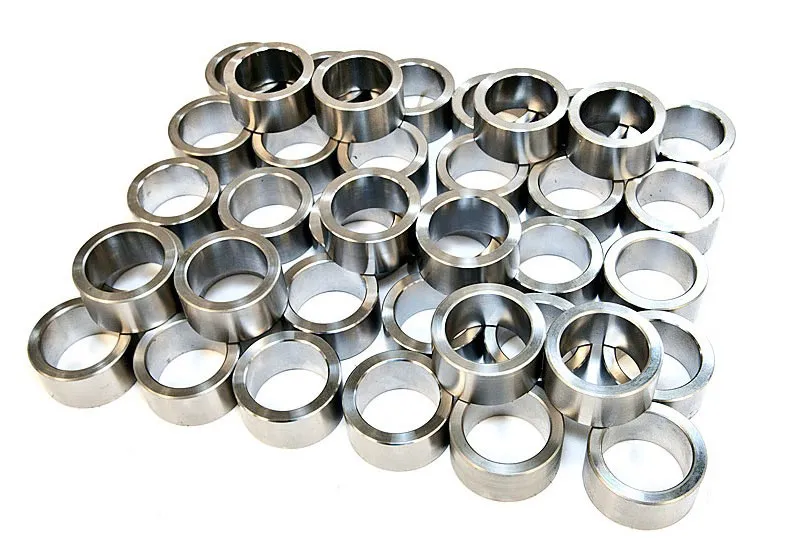
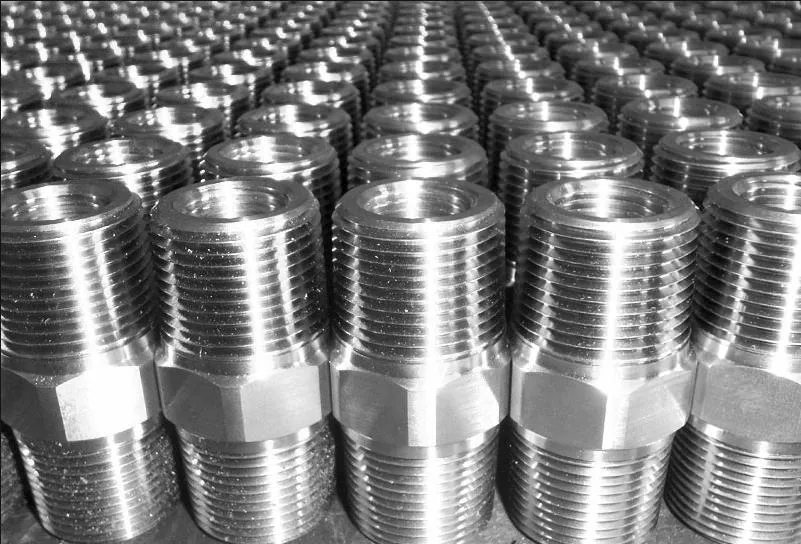
Machine job shops focus on manufacturing parts, made from steel, aluminum, plastic, or other materials, for other customers. Typically, small- to medium-sized job shops create custom or semi-custom parts for prototyping purposes, pilot projects, and product series that require small-to-medium quantity production runs of 2 to 10,000 parts.
Here are five reasons manufacturers should consider contracting a job shop.
- Cost Effectiveness
Purchasing and setting up the appropriate Computer Numeric Control (CNC) equipment can be very costly and time-consuming. A manufacturer wanting to set up their own machine shop, equipped with the appropriate machines, can expect to spend between $500,000 for the simplest of projects and more than $2.5 million. Choosing the correct machines to buy for the right applications can be daunting. Then the training involved running the machines, which is both time-consuming and costly. The upfront costs involved may not be viable or even necessary.
Job shops are already equipped with a variety of CNC lathes and milling machines, grinding and finishing equipment, cutters, and accessories. Their machinists typically run multiple machines at the same time, maximizing productivity and efficiency. The savings alone in contracting out machining work can be a worthwhile alternative for manufacturers who are not involved in mass production.
- Expertise
One of the benefits of using machine shops is the extensive knowledge base they possess and the technological advances they employ. To stay competitive, machine shops continuously invest in leading-edge technology to optimize setup and cycle times, cut costs, and produce high-quality parts. The more innovative machine shops in Canada understand that continued development and incorporation of new technologies are the key to business success. They are turning to automation and unmanned horizontal or multi-tasking machine centers in order to minimize labour costs, human error, and accidents.
Machine shops possess extensive knowledge concerning material composition. Quality machine shops have expert metallurgists on staff, who study the properties and grades of metals and examine how they behave in certain conditions, determining which ones will perform best for the customer’s specific project.
- Removing the Worry Factor
When manufacturers contract out their prototyping and production runs to machine shops, they hand off the job to professionals and can be assured the work will get done on time and on budget. Because job shops are always deadline driven, they are constantly looking for ways to improve turnaround times and create efficiencies. In addition, job shops work in partnership with their customers, whether it’s product engineering in collaboration with the client or producing parts according to the customer’s exact specifications and drawings. Machine shops take a hands-on approach and can troubleshoot and solve problems quickly and easily. Job shops also have the flexibility and maneuverability to change and adapt to customer requirements and concerns right away.
- Staffing
All business owners and managers know that hiring employees can be a very expensive and time-consuming proposition. Job shop employees are highly skilled and experienced personnel who are trained to program and operate a variety of lathes and milling machines. Contracting a job shop that already has a staff of skilled and experienced machinists will avoid costly recruitment and training/re-training expenditures. Job shops can also cut down on warranty work or rework that occurs when unskilled or newly trained personnel make mistakes. Machine shops employ journeyman and apprentice machinists who are committed to lifelong learning and are constantly updating their skills and honing their craft.
- Relationships with Other Suppliers
Job shops rely on quality working relationships with other suppliers that offer complementary services such as welding, powder coating, anodizing, heat treating, and painting. Because job shops are constantly working with these selected and trusted suppliers, strong allied relationships are key to improved quality, quicker delivery performance, and better cost reduction efforts.
Disadvantages
The only real downside to contracting work out to a job shop seems to be low capacity utilization. Because machine shops work on a variety of unique projects and build customized or modified standard products in low volumes, capacity isn’t as efficient as it is with mass production facilities. However, using lean manufacturing techniques such as streamlining processes and job scheduling can help job shops manage efficiencies.
Call Us
If you are in contracting out some CNC machining work, why not try Corma Industries, a Calgary, AB-based machining job shop, specializing in CNC milling and turning for a variety of clients in a multitude of industries such as oil & gas, exploration, geophysical, mining, alternative energy, research and development, agriculture, food and beverage, office furniture, aerospace, heavy construction and infrastructure, forestry, and more? Call us at +1 (403) 230 0113 today!